Cats have accidents not just in the house. A nervous cat on the way to the vet, a move, or a long trip can all lead to urine on a seat or in the carpet — and a closed, sun-heated car makes the odor much worse.
Do this first
- Blot, don't scrub. Press clean towels into the area to absorb as much as possible. Scrubbing pushes urine deeper into seat foam and carpet backing.
- Ventilate. Open doors and windows to reduce humidity inside the cabin.
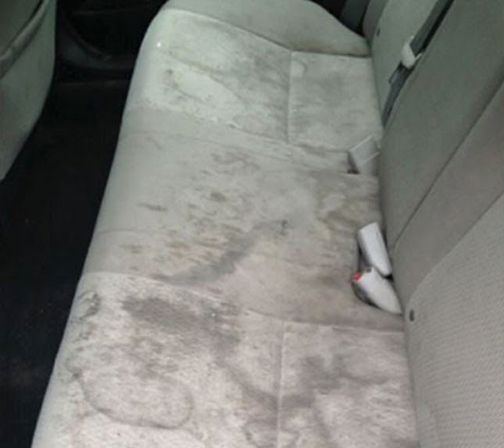
- Note every spot. Check seat seams, under seats, floor mats and the cargo area around the carrier.
Avoid these mistakes
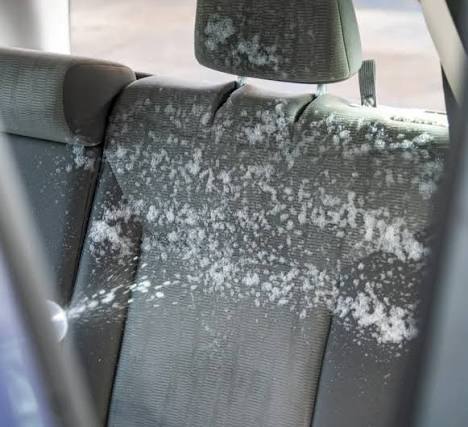
- Spraying air freshener — it masks the smell temporarily and adds another scent to remove
- Soaking the seat with water — excess moisture carries urine deeper into the foam
- Using heat to dry the area quickly before treating it
When it needs professional treatment
Car carpet, seat foam and insulation can hold moisture and smell. If the odor returns on warm days, or the urine reached the foam beneath the fabric, a surface wipe won't be enough. A proper cat urine odor treatment for cars starts with identifying everywhere the urine has come in contact — then treating that material directly and reassessing once dry.
Car Detail 360 provides mobile vehicle odor treatment across Washington, DC, Virginia and Maryland.