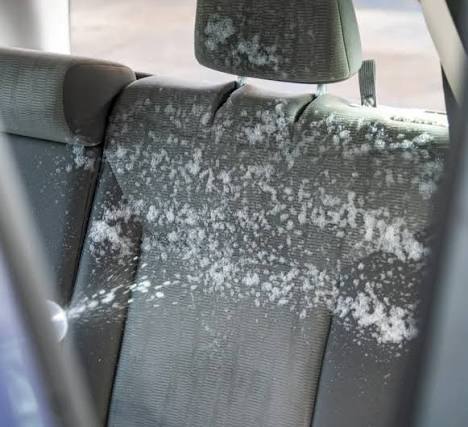
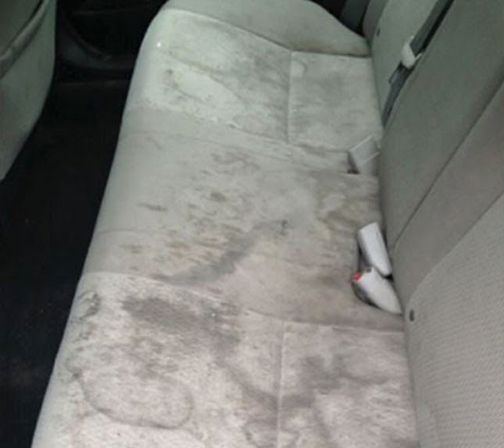
It's one of the most frustrating experiences for cat owners and landlords alike: you clean the spot, the room smells fresh, and a day or two later the odor is back. In most cases the cleaning wasn't wasted — it simply didn't reach the source.
1. The visible stain is smaller than the contaminated area
When urine lands on carpet or fabric, it wicks downward and outward through fibers and porous materials. The mark you see on the surface is often far smaller than the area underneath that holds residue.
2. The padding or backing was never treated
Carpet padding acts like a sponge. If cleaning only reached the top layer, the residue in the backing and pad keeps releasing odor — especially when humidity rises or the floor warms up.
3. Fragrance faded
Many sprays and fresheners work by overpowering odor with perfume. When the fragrance fades, the original smell is still there. A pleasant scent does not mean the smell has been eliminated.
4. There is more than one spot
Cats often return to the same areas — and older spots may no longer be visible. Treating one area while missing others means the room never fully clears.
What to do instead
- Locate every affected area, not just the obvious one
- Identify the material — carpet, pad, upholstery, wood — and treat for that material
- Use enzymes with the right application and dwell time
- Extract residue where possible, dry, and reassess
If you've cleaned the same area over and over and the smell keeps returning, a professional inspection is usually the fastest way to find out why.